
Step 1: Recognising the Early Warning Signs of a Gas Leak
A gas leak is one of the most urgent household emergencies a homeowner can face. Natural gas is odourless in its raw state, so gas companies add a chemical called mercaptan to give it that distinctive rotten-egg smell. The first step in protecting your family is knowing what to look for. If anyone in the home notices a sulphur-like odour that seems to hang in the air, especially near gas appliances, pipes, or the meter box, that is the clearest signal something is wrong.
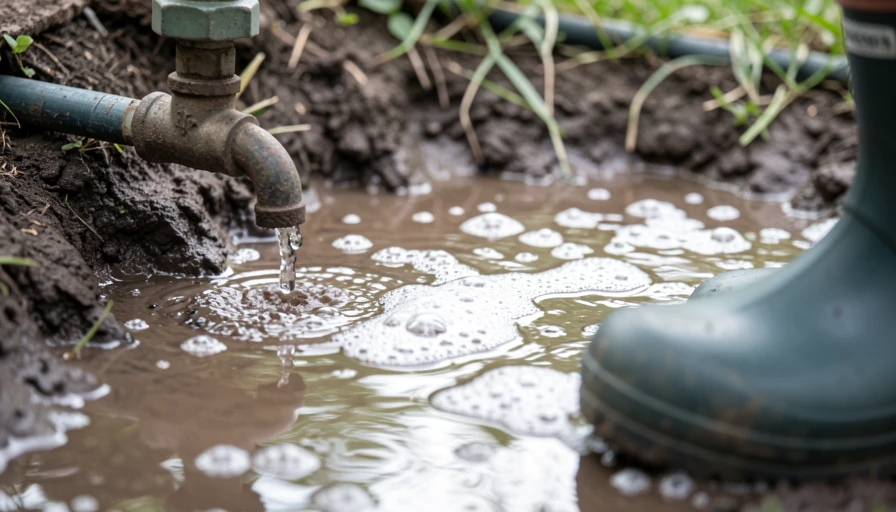
Other signs are less obvious but just as important. You might hear a faint hissing sound near a gas line or appliance, even when everything is turned off. Dead patches of grass or vegetation along the path of an underground gas line can indicate a slow leak below the surface. Bubbles in standing water or mud near a gas pipe are another visual clue. Some family members may also report headaches, dizziness, nausea, or unexplained fatigue — these symptoms can occur when gas displaces oxygen indoors. Teaching every adult and older child in the home to recognise these signs is the first and most critical layer of defence.
Step 2: Evacuating Calmly and Securing the Property
Once a leak is suspected, the priority shifts to getting everyone out safely. Do not operate any electrical switches, including light switches, garage door openers, or doorbells — a tiny spark can ignite accumulated gas. Do not use a phone or mobile device inside the building. Open all doors and windows if you can do so without triggering any electrical devices, then leave the house immediately.
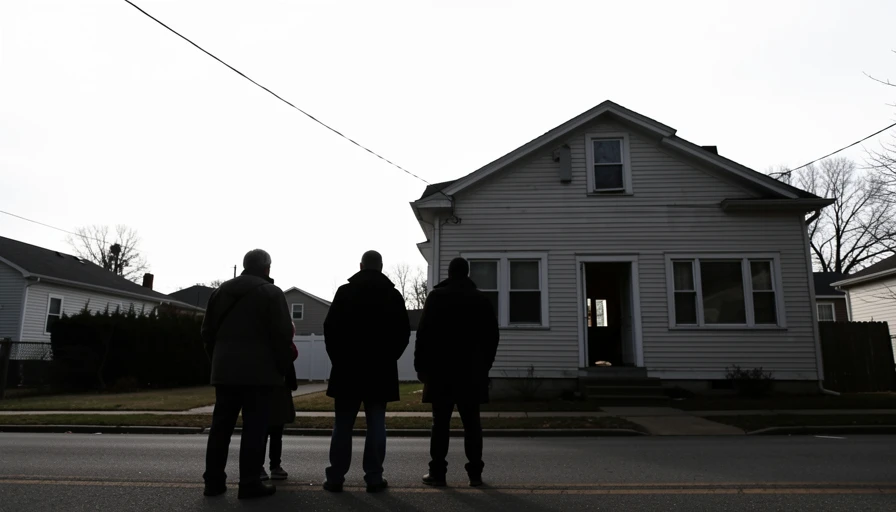
Gather family members at a pre-arranged meeting point a safe distance from the home — ideally upwind and at least 50 metres away. Do not re-enter the building for any reason, even if the smell seems to fade. Once outside, call the gas emergency line and a licensed gas fitter. The family home in this story avoided disaster because the parents had drilled the evacuation plan with their children during a previous safety weekend. When the real event happened, everyone moved quickly and calmly without panic.
Step 3: Calling for Professional Emergency Gas Repairs
With the property evacuated, the next step is to contact a licensed gas fitter who can respond immediately. This is where knowing a reliable local service matters most. When you search for gas leak repair near me, you want a team that can arrive within minutes, not hours, and that carries the full range of testing and repair equipment.
The plumber will first use an electronic gas sniffer to locate the exact source of the leak — this could be a loose fitting, a corroded pipe joint, a damaged flex hose behind a stove, or even a faulty valve on the gas meter itself. They will then isolate the affected section of the gas line to stop the leak immediately. In the case of the family home featured in this article, the leak was traced to a small rust hole in an older galvanised gas pipe running under the house. The plumber clamped the line as a temporary measure, then returned the next day to replace the entire section with modern copper piping.
A gas leak is not something to troubleshoot yourself. The only safe move is to get everyone out and call a professional.
Step 4: The Repair Process and System Restoration
Once the emergency is contained, the licensed gas fitter will carry out the permanent repair. This typically involves cutting out the damaged section of pipe, threading new joints, and pressure-testing the entire gas system to ensure no other leaks exist. The repair work must comply with Australian Standard AS 5601 (Gas Installations), and only a licensed practitioner can legally perform it.
After the repair is complete, the plumber will purge any air from the gas lines and relight all pilot lights on gas heaters, hot water systems, cooktops, and ovens. They will also check the gas pressure at the meter to confirm the system is operating within safe parameters. The family home in this example had an older instantaneous hot water heater that the plumber identified as having a worn gas valve. He advised replacement within the next six months, giving the family time to budget for the upgrade rather than facing a surprise failure on a cold winter morning.
Step 5: Post-Repair Prevention and Ongoing Safety Habits
Emergency repairs solve the immediate danger, but preventing future gas leaks requires ongoing attention. Schedule an annual gas safety inspection with a licensed plumber who will check all fittings, flexible hoses, appliance connections, and the meter assembly. Many homeowners forget that gas hoses behind stoves and ovens deteriorate over time and should be replaced every five years.
Install a natural gas alarm in the kitchen and near any gas appliances in bedrooms or living areas. These alarms sound well before gas concentrations reach dangerous levels and are a low-cost addition to any home. Teach every family member the emergency shutdown procedure — locating the gas meter shut-off valve and knowing how to turn it off with a shifter or gas meter key. The family in this story now keeps a gas shut-off tool mounted next to the meter box, and they run a practice drill every six months alongside their fire evacuation plan.
A gas leak is frightening, but it does not have to end in tragedy. With the right knowledge, a clear evacuation plan, and a trusted emergency plumber on speed dial, any family can protect their home and loved ones. The key is acting fast, staying calm, and never attempting DIY repairs on a gas system. Leave that to the professionals who carry the licences, the tools, and the experience to make your home safe again.